

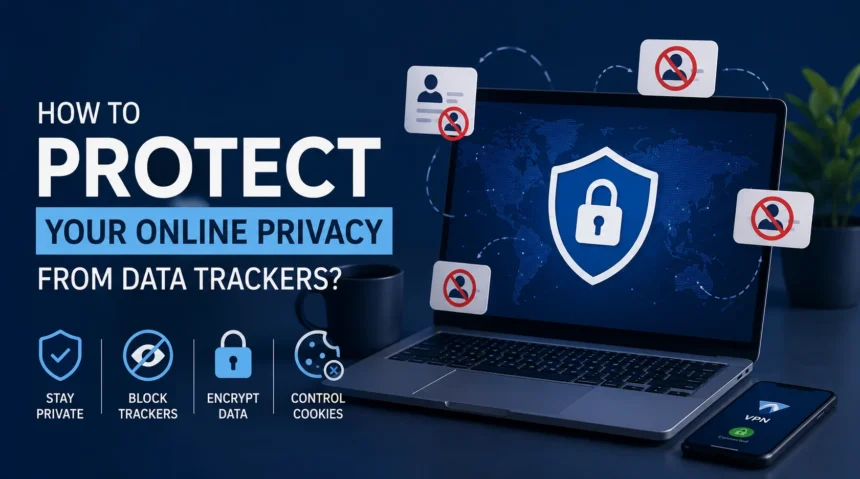
The internet has made life easier in countless ways. We shop online, connect with friends, stream our favorite content, and manage important tasks with just a few clicks. But while we’re busy enjoying the convenience, another process often runs quietly in the background: online tracking.
Many websites, apps, and advertisers collect information about our browsing habits. They track what we search for, the pages we visit, and even the products we look at. While some data collection helps improve user experiences, excessive tracking can raise serious privacy concerns.
The good news is that protecting your online privacy doesn’t require advanced technical skills. By making a few smart changes to your online habits, you can reduce the amount of information that companies collect about you.
Understanding Data Trackers And How to Protect Your Online Privacy from Data Trackers?
Data trackers are tools designed to collect information about your online activity. They are commonly used by websites, advertising networks, social media platforms, and analytics companies. Their goal is to learn more about your interests and behavior so they can deliver personalized advertisements or gather marketing insights. A common example occurs when you search for a product online and then start seeing advertisements for that same product across different websites. This happens because tracking technologies follow your activity and share that information with advertising platforms. Although tracking may seem harmless at first, the amount of data collected over time can create a detailed picture of your personal habits, preferences, and online behavior.
Why Online Privacy Matters?
Many people assume that privacy is only important if they have something to hide. In reality, privacy is about maintaining control over your personal information. Every piece of data collected about you contributes to a larger profile. This profile may include your interests, shopping habits, browsing history, location, and device information. Companies can use this information to influence what you see online, while some data may even be shared with third parties. Protecting your privacy helps limit unnecessary data collection and gives you greater control over how your information is used.
Choose a Privacy-Focused Browser
Your web browser plays a major role in protecting your privacy. Many modern browsers offer built-in features that block trackers and prevent websites from collecting excessive amounts of information. Taking a few minutes to review your browser’s privacy settings can make a significant difference. Features such as enhanced tracking protection, private browsing modes, and tracker blocking help reduce the amount of data shared with advertisers and third-party services. A browser that prioritizes privacy can serve as your first line of defense against online tracking.
Reduce Tracking Through Cookie Controls
Cookies are small files that websites store on your device to remember information about your visit. While some cookies are necessary for website functionality, others are specifically designed to track your activity across multiple websites. Most browsers allow users to block or restrict third-party cookies. By doing so, you make it more difficult for advertisers to follow your browsing habits from one website to another. You may occasionally need to sign back into certain websites, but the privacy benefits often outweigh the minor inconvenience.
Pay Attention to App Permissions
Mobile applications frequently request access to information stored on your device. Sometimes these requests are necessary, but often they go beyond what the app actually needs to function. Before granting permissions, consider whether they make sense for the app you’re using. For example, a weather app may need location access, but it likely doesn’t need access to your contacts or photo library. Reviewing app permissions regularly helps reduce unnecessary data sharing and keeps more of your personal information private.
Use a VPN to Add an Extra Layer of Protection
One of the most effective ways to improve online privacy is by using a virtual private network, commonly known as a VPN. A VPN encrypts your internet connection and helps hide your IP address, making it more difficult for websites, advertisers, and other parties to monitor your online activity. This added layer of protection is especially useful when connecting to public Wi-Fi networks in airports, hotels, cafes, or other shared spaces.
Many privacy-conscious users choose Proton VPN because it focuses on strong security and privacy protections. By encrypting your internet traffic, this helps reduce exposure to unwanted monitoring and provides a more private browsing experience. While a VPN is not a complete solution to online tracking, it is an important tool that strengthens your overall privacy strategy.
Limit the Information You Share Online
One of the simplest ways to protect your privacy is to be more mindful of what you share online. Social media platforms encourage users to post details about their lives, including birthdays, locations, travel plans, and personal milestones. While sharing can be enjoyable, excessive personal information can make it easier for companies and third parties to build detailed profiles about you. Before posting something publicly, consider whether the information truly needs to be shared. A little caution today can prevent privacy issues in the future.
Clear Your Browsing Data Regularly
Over time, your browser accumulates a large amount of stored information, including cookies, browsing history, cached files, and website data. Regularly clearing this information helps reduce tracking and removes data that may be used to monitor your online behavior. Many people make it a habit to clear their browsing data every few weeks as part of their routine digital maintenance. This simple step takes only a few minutes but can contribute significantly to better privacy.
Keep Your Devices Updated
Software updates often contain important security and privacy improvements. Outdated browsers, apps, and operating systems may contain vulnerabilities that allow trackers or malicious actors to exploit your device. Keeping your software updated ensures that you benefit from the latest protections against emerging privacy threats. Enabling automatic updates is one of the easiest ways to maintain a safer online experience.
Final Thoughts
Data tracking has become a standard part of the modern internet, but that doesn’t mean you have to give up control of your personal information. Understanding how trackers work is the first step toward protecting your privacy. Simple actions such as adjusting browser settings, managing cookies, reviewing app permissions, and using trusted privacy tools can dramatically reduce the amount of information collected about you. Solutions like Proton VPN can further strengthen your privacy by encrypting your internet connection and limiting unnecessary exposure to online monitoring. While complete anonymity online may be difficult to achieve, taking proactive steps can help you browse with greater confidence, security, and peace of mind.
For more hosting and VPN, make sure to check out this website.
FAQ
1. What are data trackers, and how do they work?
A. Data trackers are technologies used by websites, apps, and advertisers to collect information about your online activity. They can monitor the pages you visit, the products you search for, and how you interact with websites. This information is often used to create personalized advertisements and user profiles.
2. Can a VPN completely stop online tracking?
A. No, a VPN cannot completely eliminate online tracking. However, it can significantly improve your privacy by encrypting your internet connection and hiding your IP address. Tools like Proton VPN help reduce the amount of information that websites, advertisers, and other third parties can collect about your online activity.
3. What is the easiest way to improve online privacy?
A. Some of the easiest ways to improve online privacy include using a privacy-focused browser, blocking third-party cookies, limiting app permissions, keeping your software updated, and using a trusted VPN service. Combining these practices can greatly reduce the amount of personal data shared online.