

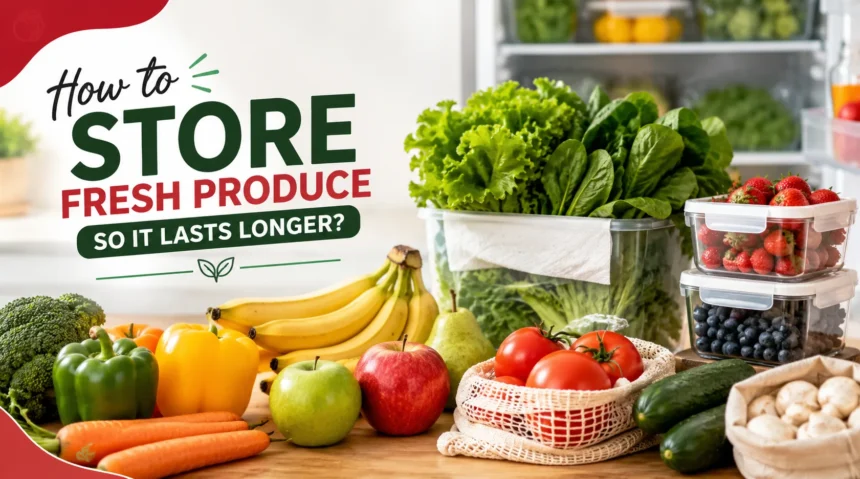
Have you ever bought fresh fruits and vegetables only to find them going bad before you could use them? It is disappointing to open the fridge a few days after shopping and find wilted spinach, soft tomatoes, or mouldy berries. Not only does it waste money, but it also means throwing away healthy food that could have been part of your meals.
The good news is that keeping fruits and vegetables fresh is much easier than many people think. Whether you shop at Morrisons every week or pick up fresh produce from your local supermarket, these simple storage tips will help you keep your groceries fresher for longer.
Why Proper Storage Makes Such a Big Difference?
Fresh produce begins to lose its freshness as soon as it is harvested. While you cannot stop this process completely, you can slow it down by storing fruits and vegetables the right way. Proper storage helps maintain their taste, texture, and nutritional value while reducing waste. It also saves money because you are less likely to throw away food before you have the chance to use it. A few small changes in the way you store your groceries can make a noticeable difference throughout the week.
1. Know Which Produce Belongs in the Fridge
Many people believe every fruit and vegetable should go straight into the refrigerator, but that is not always true. Some produce actually stays fresher at room temperature. Tomatoes, potatoes, onions, garlic, bananas, and avocados are best kept outside the fridge because cold temperatures can affect their flavour and texture. On the other hand, leafy greens, broccoli, carrots, peppers, grapes, and berries stay fresh longer when refrigerated. Understanding where each item belongs is one of the easiest ways to increase its shelf life.
2. Keep Fruits and Vegetables Away From Each Other
Certain fruits naturally release a gas called ethylene as they ripen. Apples, bananas, pears, and avocados are some of the biggest producers of this gas. While ethylene helps fruit ripen, it can also cause nearby vegetables to spoil more quickly. If lettuce, broccoli, or cucumbers are stored next to these fruits, they may become soft or wilt sooner than expected. Keeping fruits and vegetables in separate drawers or different areas of your kitchen is a simple habit that helps everything stay fresh for longer.
3. Avoid Washing Produce Too Early
It may seem like a good idea to wash everything as soon as you return from the supermarket, but extra moisture often causes fruits and vegetables to spoil faster. Water creates the perfect environment for mould and bacteria, especially on delicate produce like berries and leafy greens. Instead, wash fruits and vegetables just before you plan to eat or cook them. If you do wash them in advance, make sure they are completely dry before putting them away.
4. Give Leafy Greens a Little Extra Attention
Leafy vegetables such as lettuce, spinach, kale, and fresh herbs lose their freshness more quickly than many other vegetables. To help them stay crisp, remove any damaged leaves and wrap the greens loosely in a clean paper towel before placing them inside a storage container or reusable bag. The paper towel absorbs extra moisture and keeps the leaves from becoming soggy. If you’ve picked up fresh leafy greens from Morrisons, this simple storage trick can help them stay fresh and crisp for several extra days, so you can enjoy them in salads, sandwiches, or home-cooked meals without worrying about them wilting too soon.
5. Store Potatoes, Onions, and Garlic the Right Way
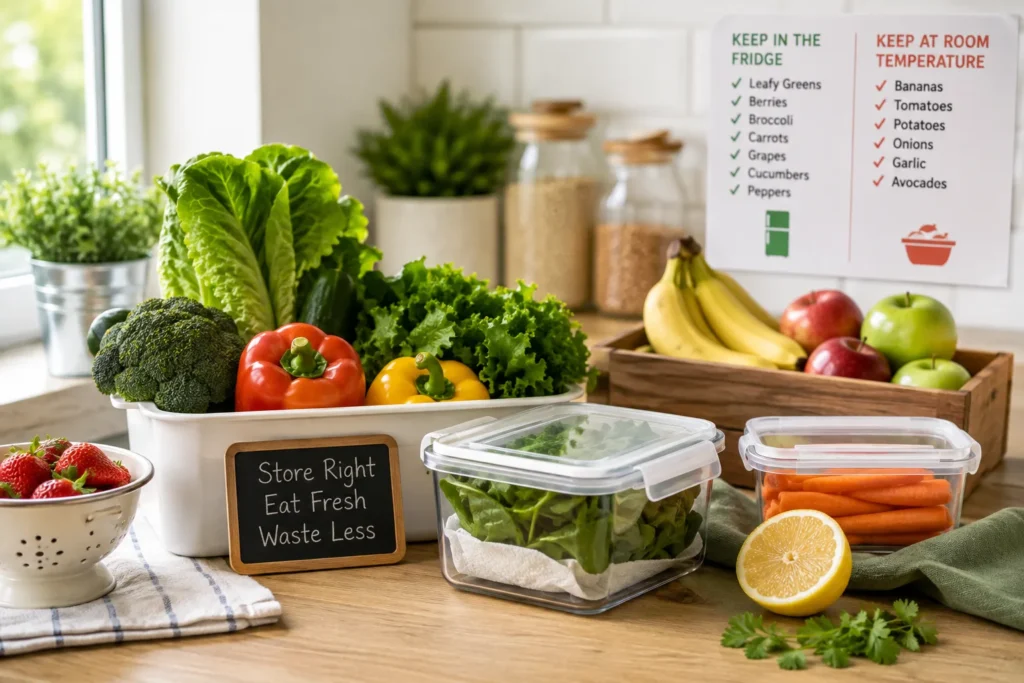
Potatoes, onions, and garlic have different storage needs from most fresh vegetables. They prefer a cool, dry, and dark place with good airflow instead of the refrigerator. A pantry or kitchen cupboard usually works well. It is also important not to keep potatoes and onions together because they release gases that can make each other spoil more quickly. Storing them separately helps them last much longer.
6. Handle Berries With Care
Berries are one of the quickest fruits to spoil, but they can stay fresh for longer with a little extra care. As soon as you get home, check the container and remove any berries that are damaged or mouldy. Even one spoiled berry can affect the rest. Keep them in the refrigerator in a breathable container and wait until you are ready to eat them before washing. This simple routine helps preserve their freshness and flavour.
7. Use Airtight Containers for Cut Fruits and Vegetables
Once fruits or vegetables are cut, they lose moisture much faster. Whether it is half a cucumber, sliced melon, or chopped peppers, storing leftovers in airtight containers helps keep them fresh. These containers also prevent the produce from absorbing odours from other foods in the refrigerator. Clear containers make it easy to see what is inside, reminding you to use the food before it goes bad.
8. Freeze Extra Produce Before It Spoils
Sometimes life gets busy, and you cannot use everything you bought. Instead of letting fresh produce spoil, place it in the freezer. Bananas can be frozen for smoothies, berries work well in desserts or breakfast bowls, and spinach is perfect for soups or pasta dishes. Many vegetables can also be chopped and frozen for future meals. Freezing helps reduce waste while making meal preparation quicker on busy days.
9. Keep Your Refrigerator Organised
A tidy refrigerator makes it much easier to keep track of your groceries. Place older fruits and vegetables where you can easily see them, and store newer purchases behind them. This simple habit encourages you to use older produce first, reducing waste. Cleaning the fridge regularly also helps because spoiled food can affect the freshness of nearby produce.
10. Buy Fresh Produce With a Plan
One of the best ways to prevent food waste starts before you even reach the checkout. Instead of buying more than you need, plan your meals for the week and make a shopping list. This helps you purchase the right amount of fresh produce and ensures everything has a purpose. Shopping with a plan means fewer forgotten vegetables hiding in the back of the fridge and more fresh ingredients making it onto your plate.
Final Thoughts
Keeping fresh produce fresh does not have to be difficult. Fresh fruits and vegetables deserve a little extra care once they come home from the supermarket. Simple habits like storing produce in the right place, keeping it dry, and using older items first can help reduce waste and save money. Whether you buy your weekly groceries from Morrisons or another local store, these easy storage tips will help you enjoy fresher ingredients for longer and make the most of every shopping trip.
For more lifestyle experiences, make sure to check out this website.
FAQ
1. What is the best way to keep fruits and vegetables fresh for longer?
A. The best way is to store each type of produce in the right place. Keep leafy greens, berries, and most vegetables in the refrigerator, while foods like potatoes, onions, bananas, and tomatoes are better stored at room temperature. Keeping produce dry and avoiding overcrowding also helps extend freshness.
2. Should I wash fresh produce before storing it?
A. It is usually better to wash fruits and vegetables just before you use them. Washing them too early can leave extra moisture behind, which may lead to mould and faster spoilage. If you do wash them in advance, make sure they are completely dry before storing.
3. Why should fruits and vegetables be stored separately?
A. Some fruits, such as apples, bananas, and pears, release ethylene gas as they ripen. This natural gas can cause nearby vegetables to spoil more quickly. Storing fruits and vegetables separately helps both stay fresh for a longer time.