

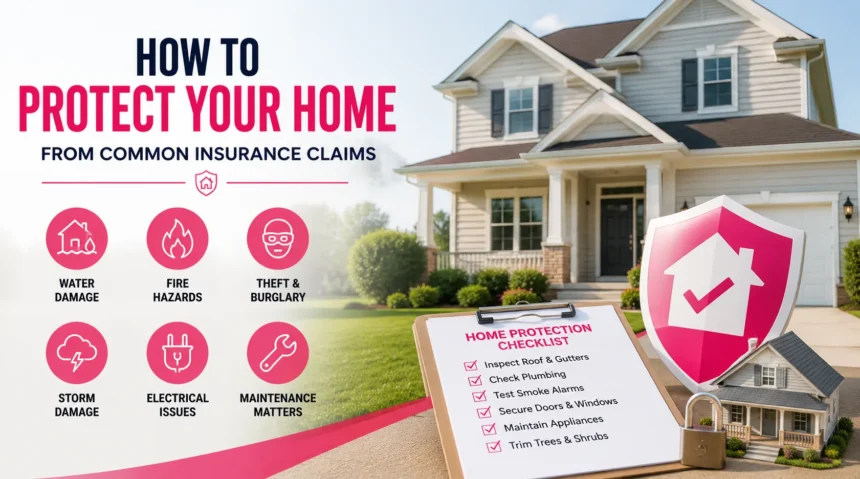
Could a few simple habits around your home help prevent some of the problems that often lead to insurance claims? From water leaks and electrical issues to theft and storm damage, many household problems can become expensive and stressful when they are left unnoticed.
While no home can be completely protected from unexpected events, regular maintenance and a little preparation can reduce avoidable risks. Understanding the common causes of household damage can also help homeowners stay organized and respond more quickly when something goes wrong.
Ways To Protect Your Home From Common Insurance Claims
Keeping your home safe doesn’t have to be complicated. From checking for leaks to improving security and staying on top of maintenance, a few simple habits can help reduce common risks. Read the complete article for more practical ways to protect your home and stay better prepared.
1. Start With Regular Home Maintenance
A home needs regular attention, even when everything appears to be working perfectly. Small issues can easily become bigger problems when they are ignored for too long. A dripping tap, loose roof tile, cracked seal, or damaged window may not seem urgent today, but addressing these issues early can help prevent more extensive damage later.
Create a simple maintenance routine for your home and check different areas throughout the year. Pay attention to the roof, plumbing, electrical systems, doors, windows, appliances, and outdoor spaces. Keeping maintenance records, receipts, and repair information can also make it easier to keep track of what has been done.
2. Keep an Eye on Water Leaks
Water damage is one of the household problems that can quickly become expensive. A small leak under a sink or behind an appliance may remain unnoticed until it damages flooring, cabinets, walls, or other parts of the home. Regularly checking visible pipes and connections can help you spot signs of trouble earlier.
Look around areas where water is commonly used, including kitchens, bathrooms, laundry rooms, and utility spaces. Watch for damp patches, unusual smells, stains, peeling paint, or unexplained increases in water usage. If you notice a leak, dealing with the underlying plumbing issue promptly can help prevent it from becoming a much larger problem.
3. Take Care of Your Roof
Your roof is one of the home’s main defenses against rain, wind, and other weather conditions. Damaged shingles, blocked gutters, loose flashing, and worn seals can create opportunities for water to enter the property. Regular visual checks can help you notice potential problems before they become more serious. Gutters deserve attention too.
Leaves, dirt, and other debris can prevent water from draining properly, causing it to collect around the roof or foundations. Cleaning gutters safely and checking that downspouts direct water away from the house can support better drainage. For areas that are difficult or unsafe to reach, consider using a qualified professional.
4. Protect Your Home From Electrical Problems
Electrical problems should never be treated casually. Damaged cords, overloaded outlets, faulty appliances, and outdated electrical components can create serious safety concerns, including the possibility of fire. Keep an eye out for warning signs such as flickering lights, burning smells, buzzing outlets, or unusually warm switches.
Avoid using electrical equipment that appears damaged, and do not attempt complicated electrical repairs yourself unless you are properly qualified. If something seems unsafe or unusual, contacting a licensed electrician is a safer approach. Simple habits, such as unplugging unnecessary appliances and keeping electrical equipment away from water, can also help reduce everyday risks.
5. Reduce Fire Risks Around the Home
A kitchen can quickly become the center of attention when dinner goes wrong, but cooking is also one of the areas where household fires can start. Never leave cooking unattended for extended periods, particularly when using oil or high heat. Keep towels, paper products, and other flammable items away from cooking surfaces.
Smoke alarms should also be checked regularly to make sure they are functioning properly. Keep a suitable fire extinguisher accessible where appropriate, and make sure everyone in the household knows how to respond during an emergency. These simple precautions are useful regardless of whether you currently have an insurance policy.
6. Make Your Home More Secure
Theft and burglary can be distressing, and improving basic home security can make your property less inviting to opportunistic intruders. Start with practical measures such as locking doors and windows consistently, especially when leaving the house. Check that exterior doors have secure locks and that easily accessible windows are properly secured.
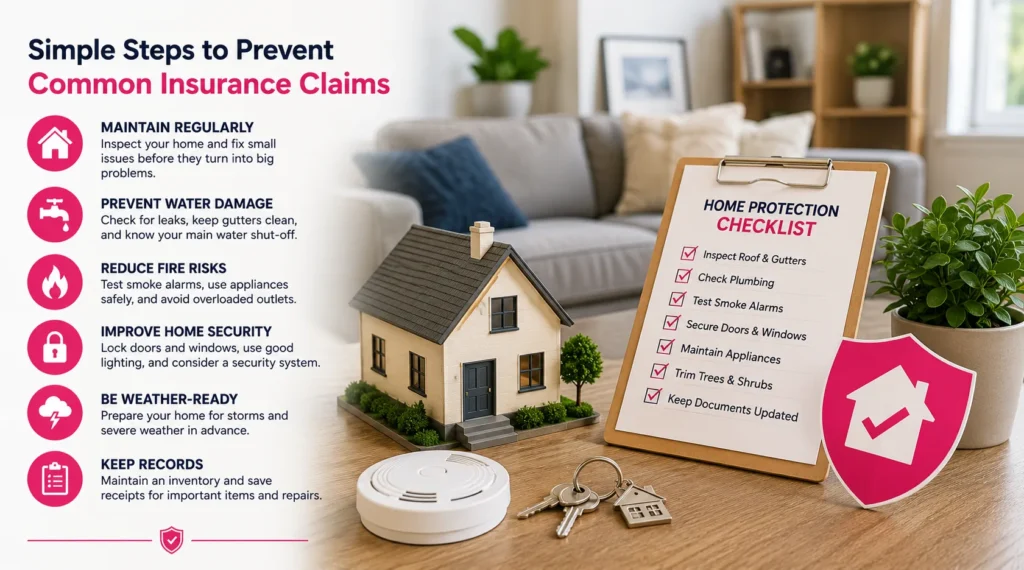
Good outdoor lighting can also improve visibility around entrances and pathways. If you are away from home for an extended period, avoid making it obvious that the property is empty. Depending on your circumstances, you may also consider security cameras or an alarm system. The aim is to create sensible layers of security rather than relying on one solution.
7. Protect Your Home During Severe Weather
Storms, heavy rain, strong winds, and extreme temperatures can all affect a property. You cannot control the weather, but you can prepare your home for conditions that are common in your area. Before severe weather arrives, check outdoor furniture, loose objects, windows, gutters, and other areas that could become vulnerable.
Trees around the property deserve attention as well. Dead branches can become dangerous during strong winds and may cause damage if they fall onto roofs, vehicles, or other structures. If a tree appears unstable or requires work at height, professional assistance may be the safest option. Preparation is particularly important when severe weather is forecast.
8. Keep Appliances in Good Condition
Household appliances can cause problems when they are poorly maintained, incorrectly installed, or simply reaching the end of their useful life. Washing machines, dishwashers, refrigerators, water heaters, and other appliances can potentially cause water or electrical damage if something fails.
Check hoses, connections, plugs, and visible components from time to time. Follow the manufacturer’s maintenance instructions and avoid ignoring unusual noises, smells, leaks, or changes in performance. If an appliance develops a serious fault, have it inspected or repaired by an appropriately qualified technician rather than continuing to use it.
9. Create a Home Inventory
You may know exactly what is inside your home until you suddenly need to remember every important item. Creating a home inventory can make record-keeping much easier. Walk through each room and make a basic list of valuable or important belongings, including useful details such as purchase dates, receipts, serial numbers, and photographs where available.
Store these records somewhere secure and consider keeping a digital copy. A home inventory does not prevent damage or determine whether an insurance claim will be covered, but it can help you maintain organized records. If you use a digital insurance service such as Lemonade, keeping your personal documentation organized can also make it easier to access information when needed.
10. Know Where Your Main Shut-Offs Are
When something goes wrong, knowing where your home’s main water, electricity, or gas shut-offs are can be extremely useful. A burst pipe, electrical problem, or other emergency may require a quick response, and searching for the shut-off while water is spreading or another problem is developing can waste valuable time.
Make sure everyone in the household knows where these controls are located and understands when professional help may be necessary. If you have recently moved into a property, ask the previous owner, landlord, or property manager about the location of important shut-offs and emergency systems.
11. Keep Important Documents Organized
Homeownership comes with plenty of paperwork, from repair receipts and appliance warranties to maintenance records and insurance documents. Keeping these records in one secure location can make household administration much easier. Review important documents periodically and make sure your contact information is current where necessary.
If you have insurance, read the actual policy documents rather than relying on assumptions about what is or is not covered. Terms, exclusions, limits, and conditions can vary, so questions about a particular policy should be directed to the insurer or a qualified professional.
Final Thoughts
You cannot prevent every unexpected event from affecting your home. Storms can arrive suddenly, appliances can fail, and accidents can happen despite careful planning. However, regular maintenance, basic security measures, and organized household records can help reduce avoidable risks and make unexpected situations easier to manage. The goal is not to create a completely risk-free home, but to build simple habits that keep important systems working and catch problems early. As you review your home protection routine, resources from Lemonade can also help you better understand the basics of renters and homeowners insurance.
For more policies and insurance related details, make sure to check out this website.
FAQs
1. What are some common causes of home insurance claims?
Common causes can include water damage, weather-related damage, theft, fire, and certain accidental incidents. The causes and whether a particular event is covered depend on the individual insurance policy, its terms, exclusions, limits, and applicable conditions.
2. How can I reduce the risk of water damage at home?
Regularly check visible pipes, faucets, appliance connections, gutters, and areas around bathrooms and kitchens. Look for leaks, damp spots, stains, or unusual smells and address plumbing problems promptly. Professional help may be appropriate when a repair is beyond your abilities.
3. Should I keep records of my belongings and home repairs?
Keeping photographs, receipts, maintenance records, warranties, and other relevant documents can be useful for household record-keeping. A home inventory can also help you remember important belongings. However, maintaining records does not guarantee that a particular loss will qualify for an insurance claim.